
Every bottle of spirit carries a narrative that begins long before the first drop is poured. It starts in the landscape where it was born the misty, rugged hills of Scotland, the sun-drenched vineyards of France, the vibrant, tropical islands of the Caribbean, the earthy agave fields of Mexico and the historic, green countryside of England. We often think of spirits as simple commodities, but when you begin to understand that place dictates flavour, every sip transforms into a journey.
This is the concept of “terroir” the idea that the environment, the soil and the climate leave an indelible fingerprint on the spirit in your glass. Let’s embark on a journey across the map to discover how geography shapes what we drink.
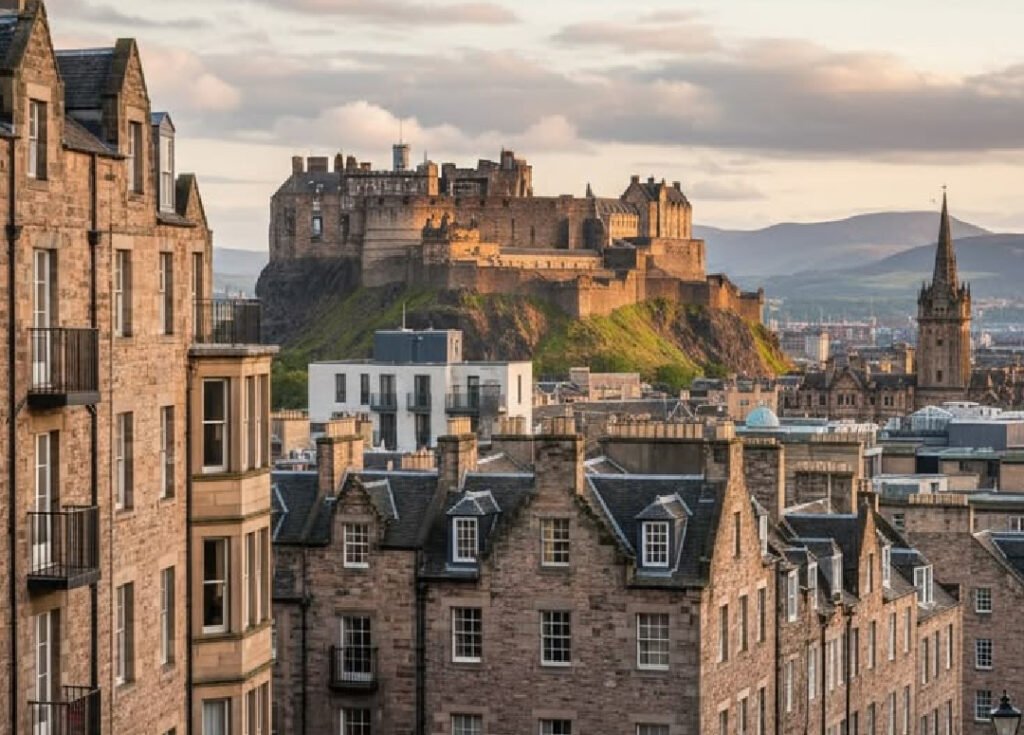
Scotland is more than just the home of Scotch, it is a landscape that fundamentally shapes every dram. Here, the local environment is an active participant in the distillation process. From the mineral content of the water to the specific climate of the region, every variable leaves a mark. Perhaps the most famous contributor to Scotch’s signature identity is peat. As decayed organic matter burned during the drying process, it imparts a smoky, complex character that defines many regional expressions. Yet, to say all Scotch is smoky would be an oversimplification.
The true character of a whisky is a delicate balance between the specific distillery, the region and the interaction with the barrels during maturation.
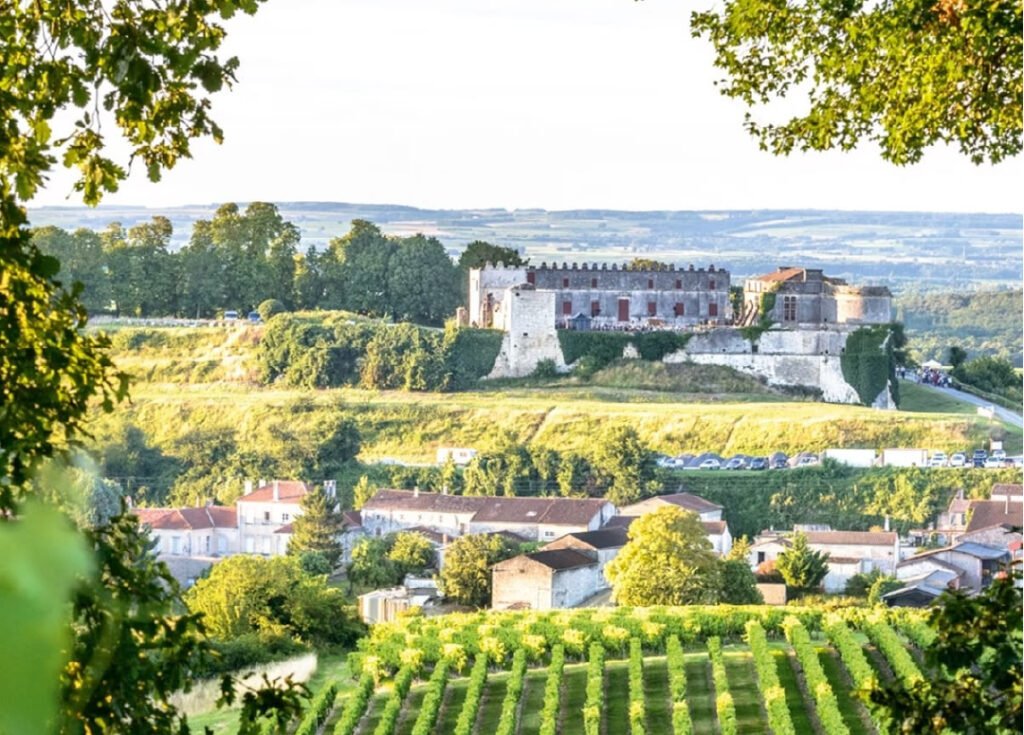
In the Cognac region of France, tradition is guarded by law. True Cognac is not merely a brandy. It is a protected designation of origin. This legal protection ensures that every bottle bearing the name adheres to rigorous standards of craftsmanship.
The quality of Cognac is inextricably linked to the French landscape. The specific grapes, the mineral-rich soil and the use of French oak barrels are all essential components. By distilling the spirit twice and aging it within the confines of French oak, producers create a spirit defined by its smoothness and elegance. When you taste a glass, you are encountering a layered profile of dried fruits, delicate florals and subtle spice.
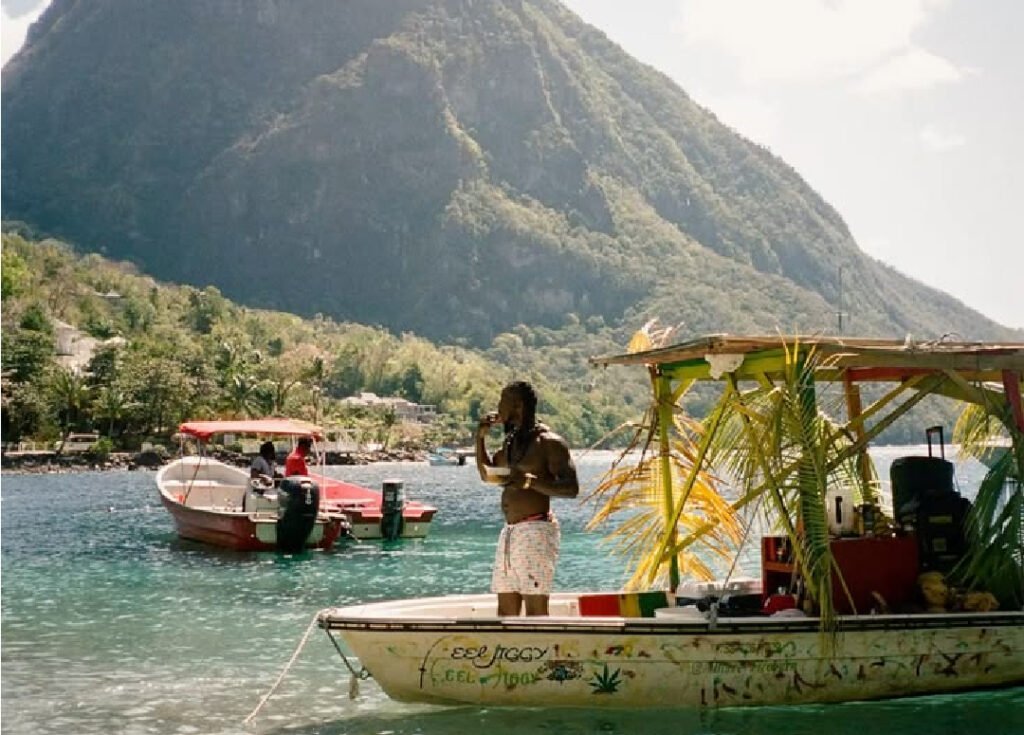
If there is a spiritual home for rum, it is undoubtedly the Caribbean. Across islands like Jamaica, Barbados and Trinidad, the tropical climate does more than provide a beautiful backdrop, it serves as a catalyst for the aging process.
The persistent warmth of the region causes the spirit to age at an accelerated pace. In the heat, the barrels “breathe” faster, allowing the spirit to pull more flavour and character from the wood in a shorter timeframe than it would in cooler climates. This interaction results in the rich, vibrant profile that defines Caribbean rum, characterized by natural notes of vanilla, caramel and tropical dried fruits.
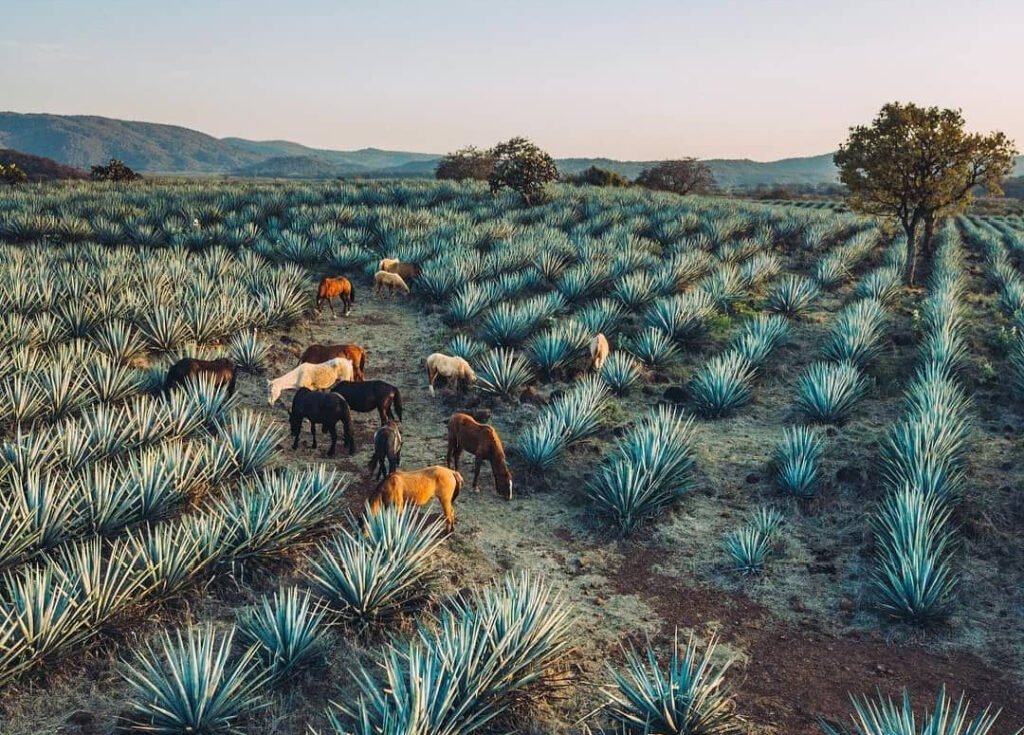
In the heartland of Jalisco, Mexico, tequila is a testament to the virtue of patience. Derived from the blue agave plant, tequila requires years of careful cultivation before it is ready for the distillery. This slow maturation process is built into the very soul of the bottle.
Tequila is a spirit that feels alive, bold and unapologetically earthy. The spectrum of flavour is wide, the Blanco varieties offer a bright, sharp and peppery experience, while the Reposado and Añejo expressions showcase how patience and time in the barrel introduce a sophisticated layer of smoothness and depth.
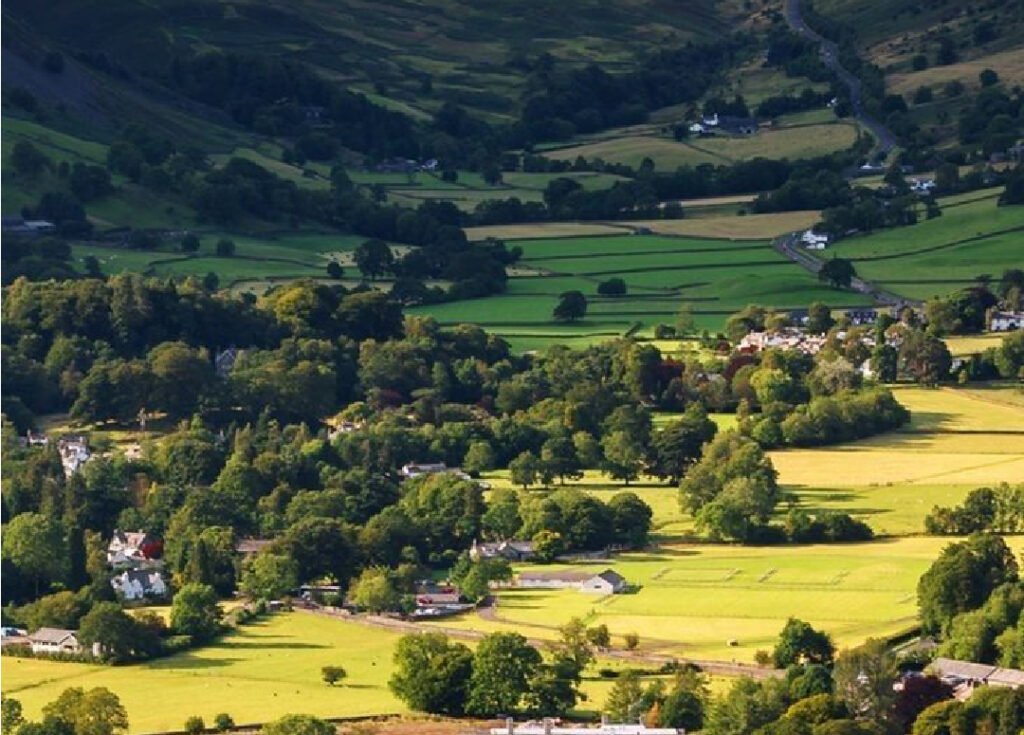
England is the birthplace of modern gin and specifically, the crisp, refined style known as London Dry. While gin begins with a neutral base spirit, its true personality is defined by the imagination of the distiller and their specific blend of botanicals.
From the foundational juniper berry to the inclusion of coriander, citrus peel, angelica root and orris root, every distillery writes its own recipe. The botanicals tell a story of artistry and tradition, a chapter that England started and continues to lead.
The fundamental rule of the spirits world remains: Place shapes flavour. The same spirit, distilled with the same equipment and the same techniques, will taste completely different if produced in two different regions. The water is unique, the soil chemistry varies, and the climate imposes its own rules.
We should not view these differences as flaws or inconsistencies, but rather as the inherent beauty of the craft. Every bottle serves as a passport and every sip invites you to travel to a different corner of the world.
Scotland gave us the campfire smoke, France gave us timeless elegance, the Caribbean provided the warmth of the tropics, Mexico offered its bold spirit and England introduced the complexity of botanicals. Now that you know the story behind your favourite spirits, the journey is yours to discover.